How Inflation Affects Gold Prices
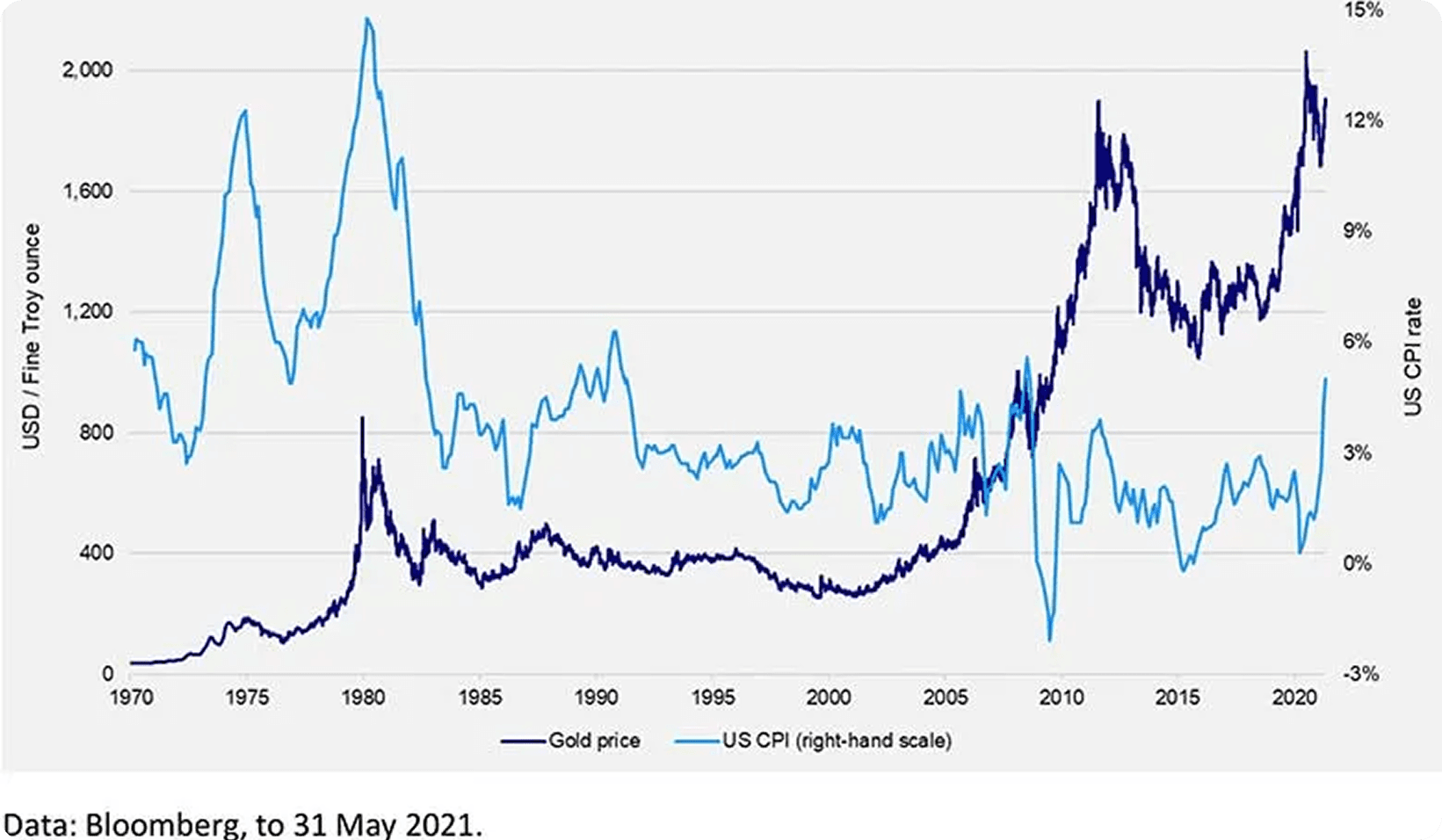
Gold is often described as a hedge against inflation — but what does that actually mean in practical terms?
What Is Inflation?
Inflation refers to the rise in prices of goods and services over time, which reduces the purchasing power of money.
For example, if something costs ₹100 today and ₹110 next year, inflation has reduced what your money can buy.
Why Gold Performs Well During Inflation
Gold tends to hold its value during inflation due to three main reasons:
1. Currency Loses Value
As inflation rises, the value of currency declines. Gold, on the other hand, is a finite physical asset, which makes it more stable over time.
2. Safe-Haven Demand Increases
During periods of economic uncertainty, investors move their money into safer assets. Gold is widely considered a safe-haven investment, which increases demand and supports prices.
3. Limited Supply
Gold cannot be produced quickly or easily. Its scarcity helps maintain its value, especially when demand rises.
Does Gold Always Rise With Inflation?
Not necessarily.
Gold prices are also influenced by:
- Interest rates
- Strength of the US dollar
- Global economic conditions
For example, when interest rates are high, investors may prefer interest-bearing assets over gold, which can slow its price growth.
A Simple Example
If inflation rises and your money loses value, gold often maintains its purchasing power. So even if gold prices don’t rise dramatically, it still helps preserve wealth over time.
Final Thoughts
Gold isn’t a perfect inflation hedge, but it has consistently proven to be a reliable store of value during uncertain economic conditions.